TEA · US, INDIA & UK · TEABOX.COM
Teabox: Design-led storefronts in every market
Teabox is a design-led brand that delivers Indian teas and chai to the world. We launched its storefronts for the US, India and the UK on Shopify Markets, with product pages that show each tea's ingredients and how to brew it, built so the Teabox team can change the content and keep it on brand, and we launched its gift boxes.
IN SHORT
- Teabox is a design-led brand that delivers Indian teas and chai to the world, and Lucent Commerce launched its storefronts for the US, India and the UK.
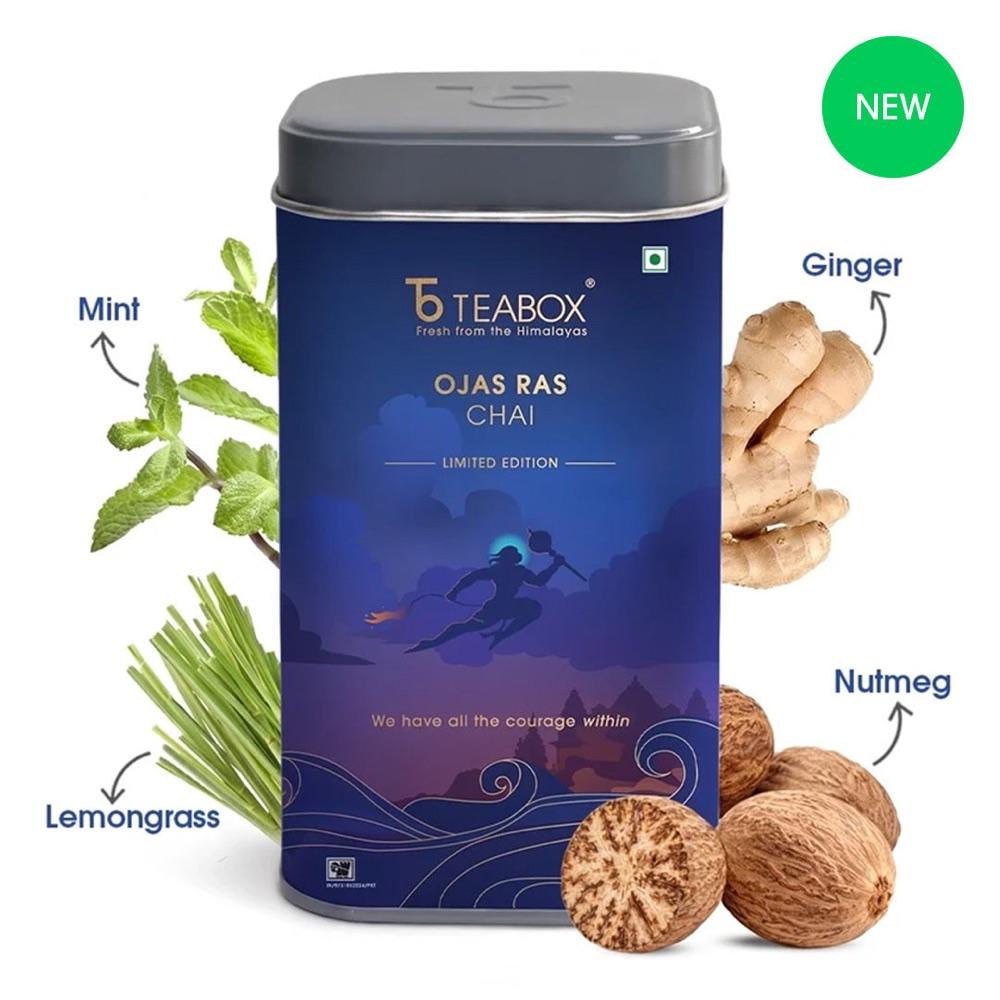
- Product pages show a tea's ingredients with illustrated callouts and explain how to make it, so the shopper sees what is in the tin.
- The pages are built from sections the Teabox team can edit, so they can change content and keep it aligned with the brand.
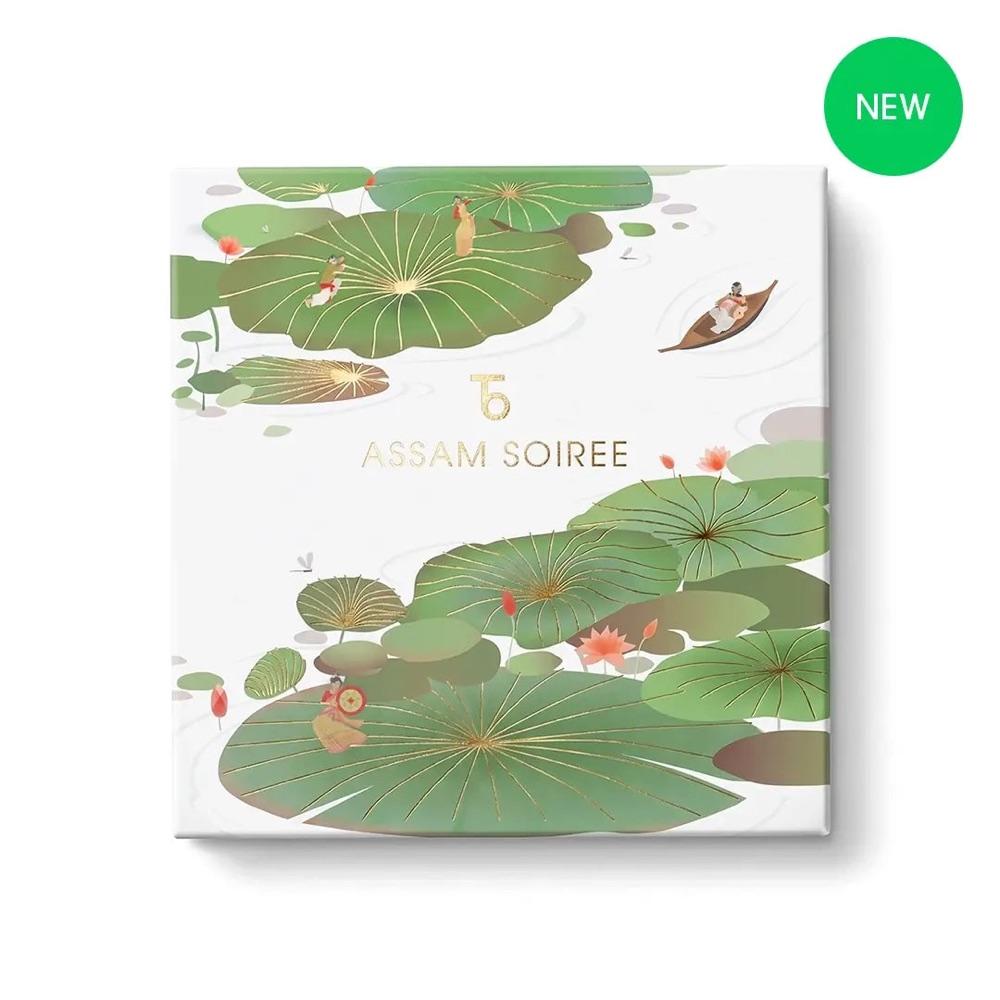
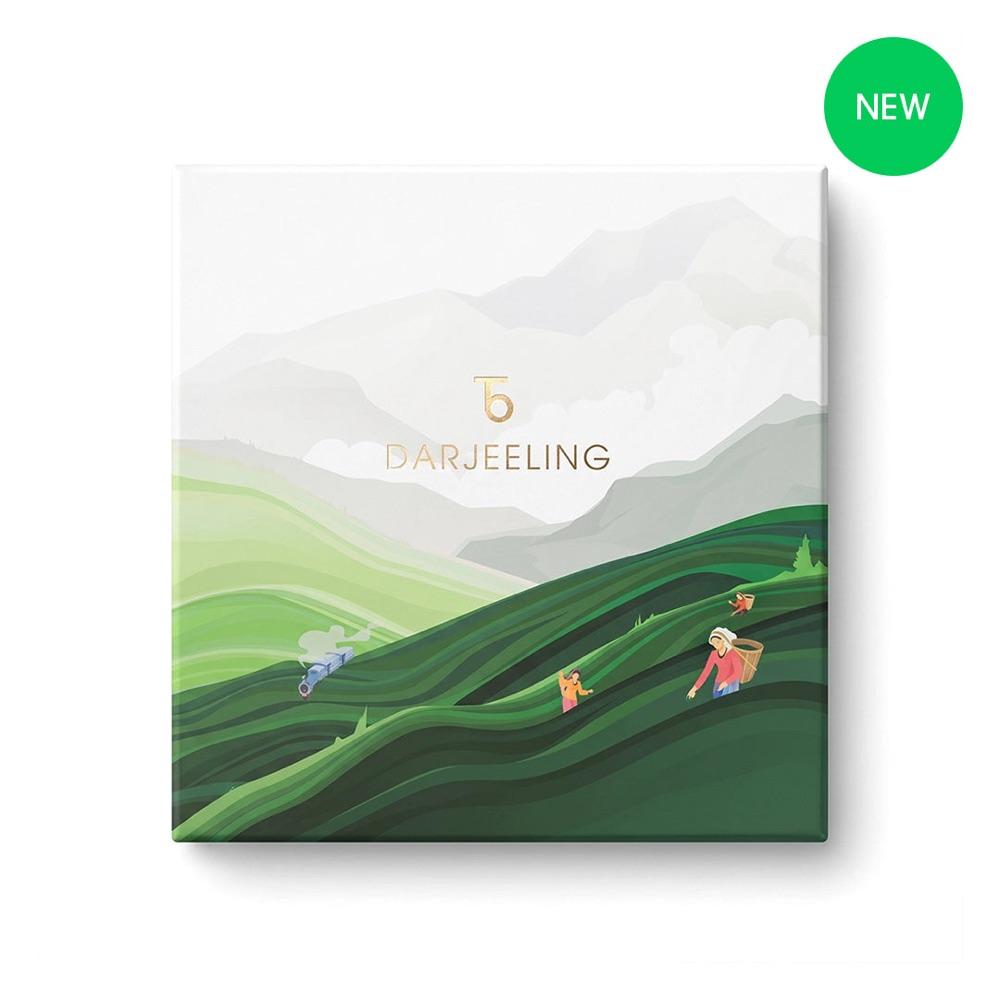
- We also launched gifting, with boxes that hold different assortments of teas.
The challenge
Teabox started as a way to bring fresh tea from the Himalayas and other Indian estates to people everywhere. It sells green tea and black tea, spiced chai, and a range of teas that includes costly estate teas, so the catalog runs from everyday cups to the kind of tea a collector buys. It is a design-centric company, and the way it shows tea is part of the product. The brand began with a founder, Kaushal Dugar, who knows tea well, and it wanted its stores to carry that knowledge.
Launching in several countries at once raises a different problem: each market needs its own store, with its own currency and shipping, while the brand has to look the same everywhere. The pages also had to explain unfamiliar products. A shopper who has never tried a spiced Ayurvedic chai needs to see what is in it and how to make it. And the team that runs the brand had to be able to change that content without help, or the design would go stale.
- Client
- Teabox (teabox.com)
- Industry
- Tea and chai
- Markets
- US, India and the UK
- Platform
- Shopify, with Shopify Markets
- Also delivered
- Gift boxes, ingredient and brewing content, editable page sections
- Result
- About 30% revenue growth
How we approached it
- 01
Start from the design
We began with the brand's design, because for Teabox the look of the product page is the product. Every decision about layout followed from how well it showed the tea.
- 02
Show the ingredients, not just list them
A product page shows the tin with illustrated callouts for each ingredient, such as mint, ginger, nutmeg and lemongrass on one chai, so the shopper sees what the tea is made of at a glance.
- 03
Explain how to make it
The pages define how each tea is brewed, so a customer who is new to chai knows what to do when the tin arrives.
- 04
Build pages the team can change
We built the product pages from sections the Teabox team can edit, so the merchant can change the content and keep it aligned with the brand without a developer.
- 05
Launch each market
We launched the storefronts for the US, India and the UK, using Shopify Markets so that one design serves every market, with each store in its own currency and shipping terms.
- 06
Launch gifting
We launched gift boxes that hold different assortments of teas, so a customer can send an assortment of nine or twelve teas as a present.
Design that shows the tea: ingredients, brewing and gifts
Look at the Ojas Ras Chai tin. It sits in the middle of the product image, and around it are the things inside it: mint, ginger, nutmeg and lemongrass, each with a label and an arrow. Next to the image a short description says what the chai tastes like, and a row of facts covers the caffeine level, the Assam tea base, whole spices with no flavorings, and no sugar.
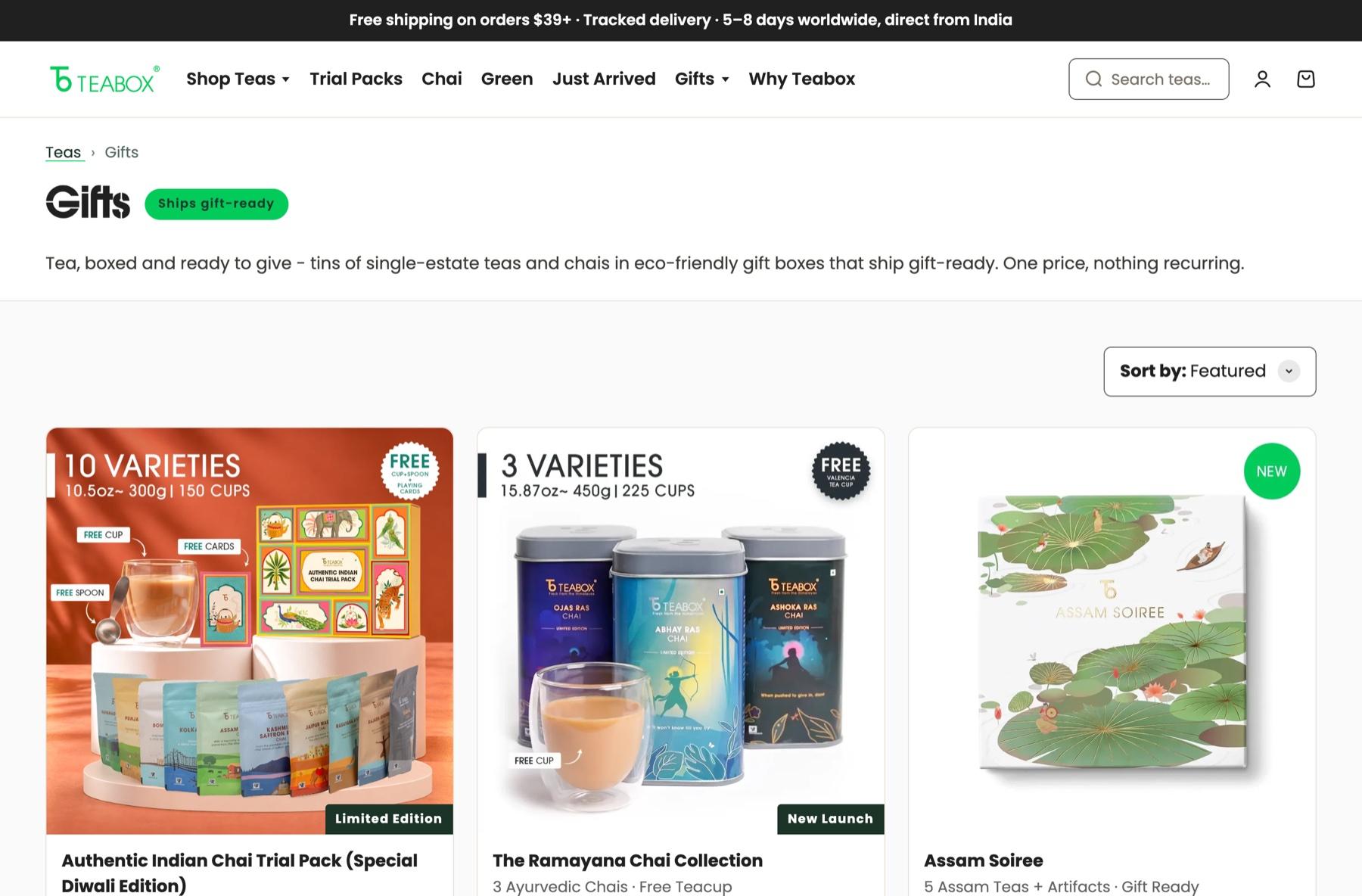
The same pattern holds across the catalog. Each tea has its own page, its ingredients are shown rather than listed, and the brewing instructions sit where the shopper needs them. The Gifts page applies the same care to boxes: trial packs, three-tin collections and illustrated gift boxes, each ready to give. It is the kind of detail a design-centric brand cares about, and it is what makes an unfamiliar tea easy to buy.
Behind it, the page is a set of sections that the Teabox team can change. They can swap a picture, rewrite a description or reorder the sections for a new tea, and the page stays in the brand's design.
The result
Teabox launched its storefronts in the US, India and the UK, with its design carried across each one, and launched gifting alongside. Revenue has grown by about 30%, on Lucent's account.
Because the pages are built from sections the team can edit, Teabox can keep adding teas and limited editions without going back to a developer for each one.
- Revenue growth, as Lucent reports it
- 30%
- Launch markets: US, India and the UK
- 3
Questions about the Teabox migration
What did Lucent Commerce build for Teabox?
Storefronts for the US, India and the UK on Shopify Markets, design-led product pages that show ingredients and how to brew, editable page sections, and gift boxes.
How does Teabox show a tea's ingredients?
The product page shows the tin with illustrated callouts for each ingredient, so a shopper sees what is inside at a glance.
Can the Teabox team change the content themselves?
Yes. The pages are built from sections the merchant can edit, so content can change and stay aligned with the brand.
Which markets did we launch?
The US, India and the UK, on Shopify Markets, with one design behind the stores.
Does Teabox sell gifts?
Yes. We launched gift boxes holding different assortments of teas, such as nine or twelve teas in one box.
What results did Teabox see?
Revenue has grown by about 30%. Teabox launched storefronts in the US, India and the UK with one design carried across all three, and added gifting with 9 or 12 tea assortments. The pages are built from sections the team edits, so new teas and limited editions go up without a developer.